

Headaches and migraines are very common worldwide, and for women, hormonal changes often play a big part.
Each year, about 17.0% of women suffer from migraine compared with around 8.6% of men.
Many women notice headache patterns tied to their menstrual cycle, pregnancy, or menopause.
These hormonal shifts aren’t just inconvenient — they can make headaches more frequent, more intense, and harder to treat.
Let’s look at what the research says about how hormones influence headaches and what you might do to find relief.
How Do Hormonal Changes Influence Headaches & Migraines?
Here are some key insights from recent research:

- Eostrogen withdrawal hypothesis: Several studies show that drops in eostrogen — for example just before your period, or during the “pill-free” days of hormonal contraceptives — are strongly associated with triggering migraines.
- Menstrual migraines: Up to 60% of women who get migraines report their headaches are related to their menstrual cycle. During menstruation, migraine attacks tend to be more severe, last longer, and respond less well to treatment.
- Life stages matter:
- Puberty often marks the onset of migraines in females, as hormones begin to fluctuate more.
- Pregnancy is interesting — many women report that migraines improve when estrogen levels are stable and high. However, migraine patterns can change again after childbirth.
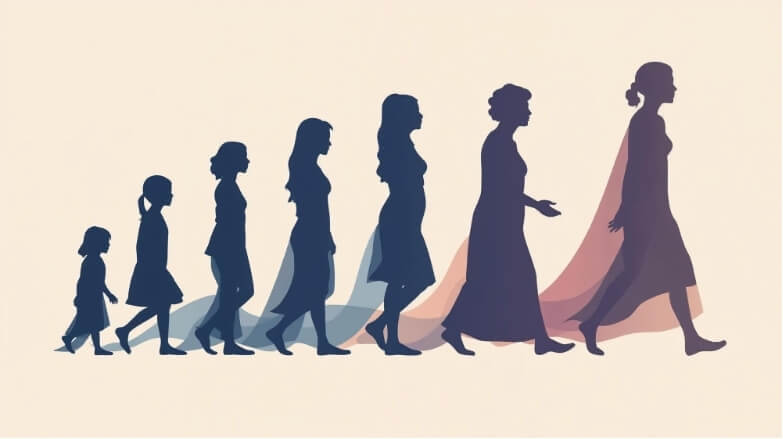
- Perimenopause & menopause: Hormone fluctuations during perimenopause often increase migraine burden. Some relief may come post-menopause when estrogen levels are more stable, though many women still continue to experience migraines.
- Other hormones & triggers: Progesterone, hormonal contraceptives, and synthetic hormones (e.g. hormone replacement therapy) also play roles. Their effects depend on how stable or variable hormone levels are. Fluctuations (especially rapid declines) seem more likely to trigger headaches.
What Can Be Done?
Understanding these hormonal effects offers ways to manage headaches more effectively:
- Track your cycle and headache patterns: noting when headaches happen in relation to your period, contraceptive use, pregnancy, menopause, etc.
- Work with your clinician to explore hormone-aware strategies: this could include modifying contraceptives, safely using hormonal therapy, or lifestyle changes to smooth out hormonal swings (sleep, stress, diet).
- Combine medical treatments with non-medical measures: pain relief, preventive medications, physical therapies, stress management.
Call to Action: Find Your Root Cause
If you’re a woman experiencing frequent or worsening migraines or headaches — especially if they seem linked to your menstrual cycle, during pregnancy, or at menopause — it’s time to get to the root cause of what’s triggering them.
Don’t just manage symptoms. Book an appointment at the Brisbane Headache and Migraine Clinic today, or call us on 1800 432 322 to start your path to recovery.
By understanding what’s happening underneath your headaches, you’ll be in a much better position to get lasting relief.
Written by:

References
MacGregor, E. A. (2009). Menstrual migraine: A clinical review. Journal of Family Planning and Reproductive Health Care, 35(1), 7–16. https://doi.org/10.1783/147118909787072415
MacGregor, E. A. (2015). Migraine in women. Seminars in Neurology, 35(6), 601–610. https://doi.org/10.1055/s-0035-1563570
Martin, V. T., & Behbehani, M. (2006). Ovarian hormones and migraine headache: Understanding mechanisms and pathogenesis—Part I. Headache: The Journal of Head and Face Pain, 46(1), 3–23. https://doi.org/10.1111/j.1526-4610.2006.00320.x
Raghavan, D., & Khan, S. (2021). Migraine in women: The role of hormones and their impact on vascular diseases. Systematic Reviews, 10, 180. https://doi.org/10.1186/s13643-021-01618-4
Sacco, S., Merki-Feld, G. S., Ægidius, K. L., Bitzer, J., Canonico, M., Kurth, T., Lampl, C., Lidegaard, Ø., MaassenVanDenBrink, A., MacGregor, E. A., Panay, N., & Allais, G. (2018). Hormonal contraceptives and risk of ischemic stroke in women with migraine: A consensus statement from the European Headache Federation and the European Society of Contraception and Reproductive Health. The Journal of Headache and Pain, 19, 91. https://doi.org/10.1186/s10194-018-0922-7