

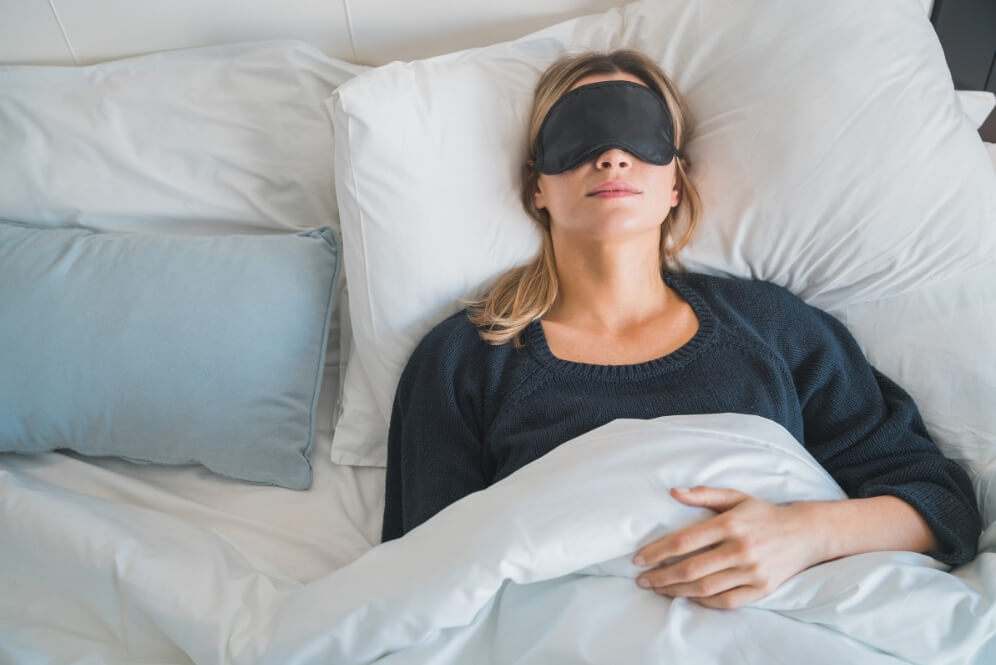
Poor REM sleep may be quietly fuelling your headaches.
Why I’m talking about this
My name is Kevin Go, a physiotherapist with a strong interest in musculoskeletal and headache management.
In clinical practice, I often see patients whose headaches persist despite addressing posture, exercise and manual therapy. Sleep quality frequently emerges as a missing piece in their recovery.
Understanding how REM sleep affects headache pathways helps patients take a more holistic approach to headache management..
What’s really happening inside the brain
REM sleep plays an important role in:
• Pain modulation and neural recovery
• Emotional regulation and stress processing
• Neurotransmitter balance, especially serotonin and dopamine
• Autonomic nervous system regulation
Research suggests:
• People with migraine often experience more fragmented REM sleep
• Sleep disruption can lower pain thresholds
• REM deprivation may increase trigeminal system sensitivity, a key pathway in headache disorders
• Up to 50 percent of headache sufferers report sleep disturbances as a trigger or aggravating factor
This creates a cycle where poor sleep increases headaches, and headaches further disrupt sleep quality.
The hidden problem most people miss
The main issue is that REM deprivation is often invisible. You might sleep 7 to 8 hours yet still experience poor REM quality due to:
• Alcohol or late caffeine intake
• Screen exposure before bed
• Stress and mental overactivity
• Irregular sleep schedules
• Sleep apnoea or breathing disturbances
This can contribute to persistent morning headaches, increased migraine frequency and heightened tension headaches.
Why this matters for your daily life
REM sleep loss can impact more than just head pain. It may lead to:
• Reduced pain tolerance
• Increased emotional reactivity
• Cognitive fog and fatigue
• Heightened muscle tension
• Reduced recovery from physical activity
Addressing REM sleep quality can therefore improve both headaches and overall wellbeing.
Practical solutions to improve REM sleep
Try these simple strategies:
• Maintain consistent sleep and wake times, even on weekends
• Reduce screen exposure 60 minutes before bed
• Avoid alcohol close to bedtime
• Create a dark, cool sleeping environment
• Practise nasal breathing and relaxation before sleep
In physiotherapy, management may also include:
• Cervical and jaw muscle treatment
• Breathing retraining
• Stress and nervous system regulation strategies
• Exercise programming to improve sleep architecture
Written by:

References
Carlander, B. (2003) ‘Sleep-related headaches’, Sleep, pp. 629–633. doi:10.1007/978-1-4615-0217-3_51.
Jennum, P. and Jensen, R. (2002) ‘Sleep and headache’, Sleep Medicine Reviews, 6(6), pp. 471–479. doi:10.1053/smrv.2001.0223.
Sahota, R.K. and Dexter, J.D. (1990) ‘Sleep and headache syndromes: A clinical review’, Headache: The Journal of Head and Face Pain, 30(2), pp. 80–84. doi:10.1111/j.1526-4610.1990.hed3002080.x.