

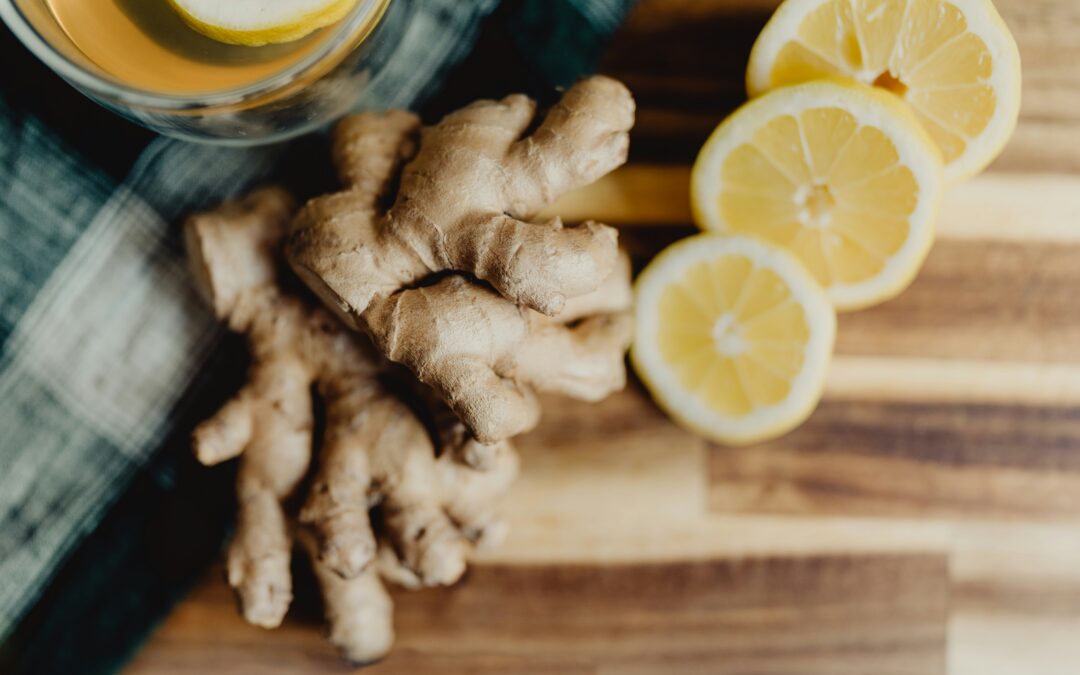
Ginger root has a long history of use in traditional medicine, particularly for nausea, digestive discomfort, and inflammatory conditions. In modern clinical contexts, ginger has been investigated primarily for its effects on nausea, inflammation, and pain modulation rather than as a disease-modifying therapy. More recently, it has gained attention as a potential home-based option for people experiencing migraine attacks. This has led many patients to ask a common question: Is ginger good for migraines, or does it simply help ease some associated symptoms?
From a clinical perspective, it is important to separate symptom relief from migraine treatment. While ginger may offer benefits for certain migraine-related symptoms, current evidence does not support ginger root as a standalone treatment for migraine or as a way to address the underlying neurological drivers of migraine.
Is Ginger Good for Migraines? Understanding Why People Try It
Many people with migraine experience significant nausea, vomiting, and gastrointestinal upset during an attack. For some, these symptoms can be as disabling as the head pain itself. Ginger is widely recognised for its anti-nausea properties, which explains why it is commonly trialled during acute migraine episodes.
There is also growing interest in integrative medicine approaches, particularly among patients who experience medication side effects, have contraindications to certain drugs, or are seeking additional symptom relief alongside standard migraine treatment. As a readily available spice and supplement, ginger is often perceived as low-risk and immediately practical.
What Ginger Does in the Body
Ginger contains several active chemical constituents, most notably gingerols and shogaols. These compounds are known to have anti-inflammatory and antiemetic properties. In laboratory and clinical contexts, ginger has been shown to influence prostaglandin synthesis and inflammatory pathways that are also involved in pain processing.
There is some evidence that ginger may interact with serotonin pathways, which are relevant to both migraine pain and nausea. However, these effects are modest and do not alter the underlying dysfunction of the nervous system that characterises migraine. As such, ginger may reduce certain symptoms without changing the course of the condition itself.
What the Research Says About Ginger for Migraine Relief
Clinical research into ginger root for migraines is limited, with mixed results across studies. Most studies are small, short-term, and focused on acute migraine rather than long-term management. Several small randomised controlled trials have investigated dry ginger extract as an acute migraine intervention when taken at the onset of symptoms. In some studies, ginger was found to produce pain reduction that was statistically comparable to standard acute migraine medications when taken at the onset of an attack.
Systematic reviews and meta-analyses suggest that ginger may contribute to reduced pain scores in acute migraine for some patients, particularly when used early in the attack. However, effect sizes are modest and clinical relevance varies between individuals. These findings must also be interpreted cautiously, as many studies involve small sample sizes, short follow-up periods, and variation in ginger formulation and dosage. Placebo groups are also a significant factor, and results are not consistent across all trials.
Overall, the current evidence suggests that ginger may offer mild to moderate relief for some migraine patients during acute episodes, but it should not be considered an effective treatment for migraine in a clinical sense.
Forms of Ginger Used in Migraine Studies
Ginger has been studied in several forms, including:
- Fresh ginger
- Ginger tea
- Ginger powder
- Dry ginger extract
- Ginger capsules
Clinical trials most commonly use standardised dry ginger extract at doses roughly equivalent to half a teaspoon of powdered ginger.
Ginger oil and essential oil preparations are sometimes promoted for headache relief, but evidence supporting their use in migraine is limited. If used, essential oils should always be diluted with a carrier oil to reduce the risk of skin irritation or adverse effects. Oral ingestion of essential oils is not recommended.
Ginger for Migraine-Related Nausea and Vomiting
The strongest and most consistent evidence supporting ginger use in migraine relates to nausea and vomiting rather than migraine headache pain itself. Ginger has been shown to reduce nausea in a range of medical contexts, including pregnancy, postoperative care, and chemotherapy. Similar mechanisms appear relevant in migraine-related nausea.
For patients who experience significant gastrointestinal symptoms during migraine attacks, ginger tea, powdered ginger, or ginger capsules may help reduce nausea and improve tolerance of other treatments. It is important to note that while nausea relief can improve comfort, it does not treat migraine pain or prevent future attacks.
Can Ginger Prevent Migraines or Reduce Migraine Frequency?
At present, there is insufficient evidence to suggest that ginger can prevent migraines or reduce migraine frequency over the long term. Most available research focuses on acute migraine treatment rather than prevention.
Migraine prevention typically requires targeted medical therapies, lifestyle modification, and identification of individual triggers. Ginger may be used by some patients as part of a broader self-management approach, but it should not be relied upon as a preventive strategy.
Ginger Compared With Standard Migraine Treatments
Standard migraine treatments are supported by substantially stronger evidence than ginger. Standard treatments include:
- Triptans
- Non-steroidal anti-inflammatory drugs
- CGRP-targeted therapies and other preventive medications
These treatments are designed to target specific mechanisms involved in migraine pathophysiology.
Ginger may be used alongside prescribed treatments to help manage nausea or mild pain, but it should not replace evidence-based migraine care. Delaying appropriate treatment during acute migraine attacks can increase disability and, in some cases, contribute to medication overuse or chronic migraine.
A Clinical Perspective on Ginger and Home Remedies
At Brisbane Headache & Migraine Clinic, home remedies such as ginger are viewed as adjunctive measures rather than treatments. While they may alleviate certain symptoms, they do not address the underlying neurological drivers of migraine.
Effective migraine care begins with accurate diagnosis, distinguishing migraine from other headache disorders such as tension headache or cluster headaches. From there, treatment plans are tailored to the individual, combining medical management, lifestyle strategies, and, where appropriate, integrative approaches.
Safety, Risks, and When Ginger May Not Be Appropriate
Ginger is generally well tolerated, but it is not risk-free. Some people experience upset stomach, heartburn, or gastrointestinal discomfort, particularly when taken on an empty stomach. Ginger may also affect blood glucose levels and interact with certain medications, including anticoagulants.
Patients with complex medical conditions, those taking multiple medications, or those who experience adverse effects should speak with a healthcare provider before using ginger supplements regularly.
A Realistic View of Ginger and Migraine Treatment
Ginger root may help reduce migraine-related nausea and provide mild pain relief for some people when taken early during an attack. However, current evidence does not support ginger as a preventive therapy or as a substitute for evidence-based migraine treatment. Migraine is a neurological condition that requires personalised, clinically guided care.
Migraine is a neurological condition that requires personalised, clinically guided care.
When Migraine Needs More Than Home Remedies
If migraine attacks are frequent, severe, or interfering with your quality of life, it may be time to look beyond home remedies alone. At Brisbane Headache & Migraine Clinic, we focus on accurate diagnosis and evidence-based care tailored to the individual, recognising that migraine is a complex neurological condition, not just a headache.
Whether you are exploring complementary strategies or seeking more effective long-term management, our team is here to help you understand your condition and access treatment options that address the underlying drivers of your migraine.
References
Chaiyakunapruk, N. et al. (2006) ‘The efficacy of ginger for the prevention of postoperative nausea and vomiting: A meta-analysis’, American Journal of Obstetrics and Gynecology, 194(1), pp. 95–99. doi:10.1016/j.ajog.2005.06.046.
Dos Santos, L.C. et al. (2014) ‘Efficacy of ginger in the acute treatment of migraine: A randomized controlled trial’, Phytotherapy Research, 28(3), pp. 412–418. doi:10.1002/ptr.4998.
Headache Classification Committee of the International Headache Society (IHS) (2018) ‘The International Classification of Headache Disorders, 3rd edition (ICHD-3)’, Cephalalgia, 38(1), pp. 1–211. doi:10.1177/0333102417738202.
Maghbooli, M. et al. (2014) ‘Comparison between the efficacy of ginger and sumatriptan in the ablative treatment of the common migraine’, Phytotherapy Research, 28(3), pp. 412–415. doi:10.1002/ptr.4998.
Martins, L.B. et al. (2020) ‘Ginger supplementation in headache disorders: A systematic review’, Nutrients, 12(12), p. 3746. doi:10.3390/nu12123746.
Teixeira, A.L. et al. (2019) ‘Integrative approaches to migraine management’, Current Pain and Headache Reports, 23(9), p. 65. doi:10.1007/s11916-019-0807-1.