

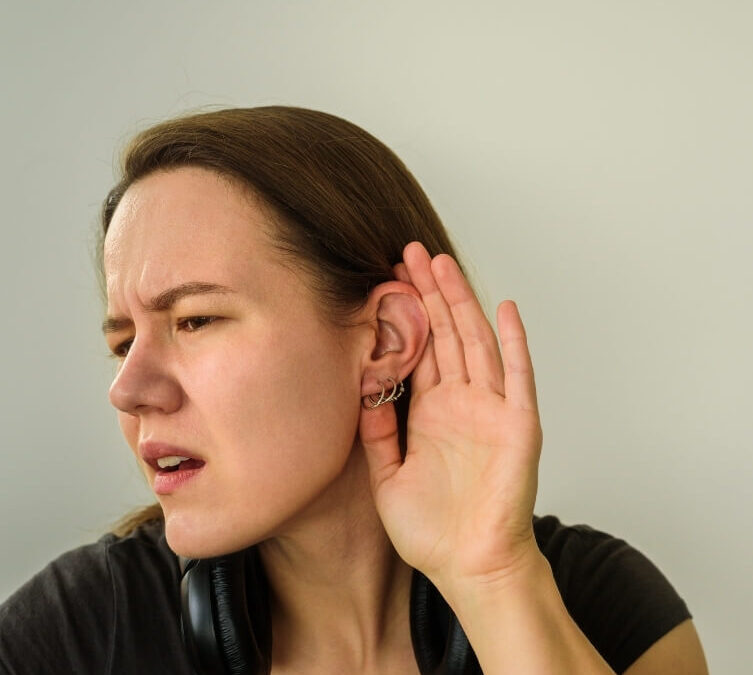
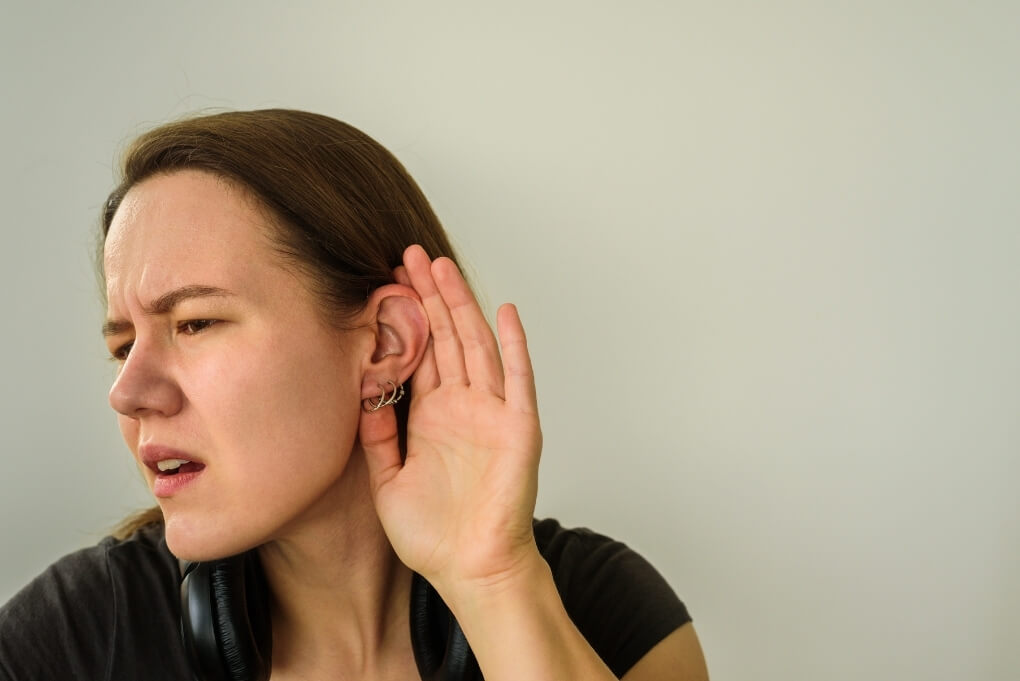
Understanding Meniere’s disease symptoms is the first step toward regaining control of your balance.
For people living with Meniere’s disease, this is not just a one-off episode. Meniere’s disease symptoms can include vertigo, hearing changes, tinnitus, and a feeling of pressure in the ear.
These symptoms can be unpredictable, disruptive, and at times overwhelming.
While Meniere’s disease is not extremely common, it affects thousands of Australians and can significantly impact work, driving, and everyday activities.
The good news is that with the right understanding and targeted treatment, many people can regain control and reduce their symptoms.
What is Meniere’s Disease and What is Happening in the Inner Ear?
Meniere’s disease is a condition that affects the inner ear, which plays a key role in both hearing and balance.
Inside your inner ear is a small fluid-filled system that helps your brain understand movement and position.
In people with Meniere’s disease, this fluid system becomes disrupted, often due to a build-up of fluid or pressure.
This interferes with how balance and sound signals are sent to the brain.
Common Meniere’s disease symptoms include:
- Sudden episodes of spinning dizziness known as vertigo
- Hearing changes that may fluctuate or gradually reduce
- Ringing in the ear, often described as tinnitus
- A feeling of fullness or pressure in the ear
These symptoms tend to come and go, and episodes can last anywhere from minutes to several hours.
How Does It Progress and What are the Treatment Options?
Meniere’s disease does not follow the same path for everyone, but there are some common patterns.
Early Stages
- Episodes of vertigo are more frequent and unpredictable
- Hearing may fluctuate from day to day
Later Stages
- Vertigo episodes may reduce over time
- Hearing loss can become more permanent
- Ongoing balance issues or unsteadiness may develop
As Meniere’s disease symptoms change over time, treatment often needs to adapt as well.
Common treatment approaches include:
- Dietary changes such as reducing salt intake to help regulate fluid balance
- Medications to manage vertigo, nausea, or fluid pressure
- Lifestyle adjustments such as improving sleep and managing stress
- In more severe cases, medical or surgical options may be considered
While these approaches can help manage symptoms, many people still experience ongoing dizziness or imbalance between attacks.
This is where physiotherapy can play an important role.
How Vestibular Rehabilitation and Neck Treatment Can Help

Even though Meniere’s disease begins in the inner ear, its effects do not stop there.
Over time, your brain and body can become more sensitive to movement, and your balance system may lose confidence.
Vestibular rehabilitation focuses on:
- Helping your brain adapt to changes in the inner ear
- Improving balance and stability
- Reducing dizziness triggered by movement
This is done through specific, guided exercises tailored to your symptoms.
These may include:
- Eye and head movement exercises
- Balance retraining
- Gradual exposure to movements that trigger dizziness
Why the Neck Matters
Many people with dizziness also develop neck stiffness or tension, especially after repeated vertigo episodes or from subconsciously guarding their movements.
The neck plays an important role in balance because it provides the brain with information about head position.
If this information becomes disrupted due to stiffness, pain, or poor movement, it can amplify feelings of dizziness or unsteadiness.
Addressing cervical factors may include:
- Gentle hands-on treatment
- Mobility and strengthening exercises
- Postural awareness and movement retraining
By combining vestibular rehabilitation with targeted neck treatment, we often see:
- Reduced dizziness intensity and frequency
- Improved confidence with movement
- Better overall balance and function
Take the Next Step
Living with Meniere’s disease symptoms can feel unpredictable, but the condition does not have to control your life.
Understanding what is happening and taking an active approach to treatment can make a meaningful difference to your recovery and quality of life.
If you are experiencing ongoing dizziness, imbalance, hearing changes, or vertigo that is affecting your daily activities, it may be time to seek a thorough assessment.
Book a session with one of our physiotherapists online at the Brisbane Headache and Migraine Clinic or call 1800 432 322.
Written by:

References
Barany Society. (2015). Diagnostic criteria for Menière’s disease. Journal of Vestibular Research, 25(1), 1–7. https://doi.org/10.3233/VES-150549
National Institute on Deafness and Other Communication Disorders. (2023). Meniere’s disease. Retrieved from https://www.nidcd.nih.gov/health/menieres-disease
Vestibular Disorders Association. (2022). Meniere’s disease. Retrieved from https://vestibular.org/article/diagnosis-treatment/types-of-vestibular-disorders/menieres-disease/
American Physical Therapy Association. (2020). Vestibular rehabilitation for peripheral vestibular hypofunction clinical practice guideline. Journal of Neurologic Physical Therapy, 44(2), 124–155.
Susan J. Herdman, & Richard A. Clendaniel. (2014). Vestibular rehabilitation (4th ed.). F.A. Davis Company.
Royal Australian College of General Practitioners. (2021). An approach to vertigo in general practice. Australian Journal of General Practice, 50(4), 190–195.