

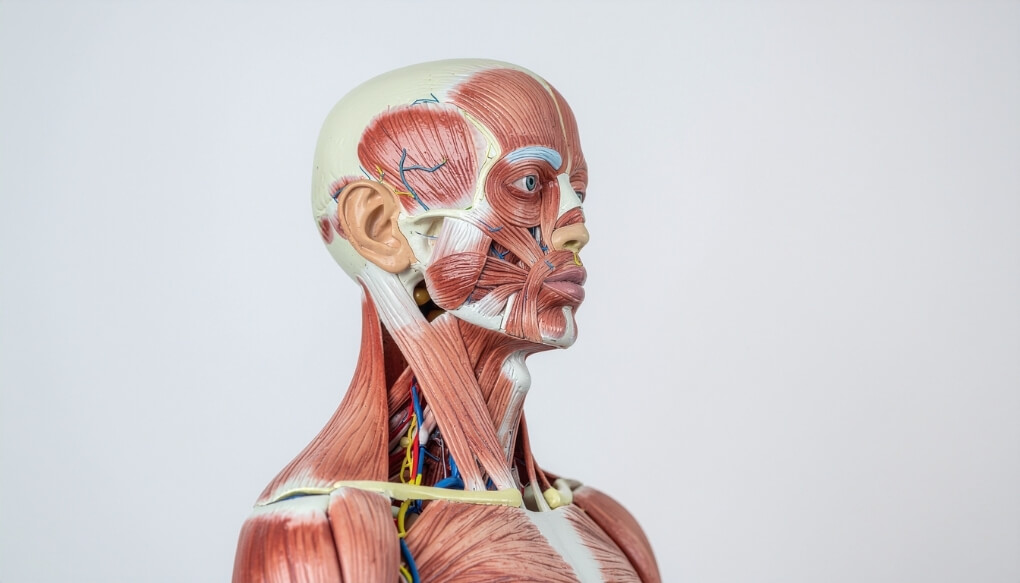
Understanding the connection between neck muscles and headaches could be the missing piece in your recovery.
If you’ve ever had a headache that seems to start at the base of your skull or travel up from your neck, you’re not alone. The relationship between neck muscles and headaches is often overlooked, yet it can play a significant role in triggering or maintaining symptoms.
Many people focus solely on the head when treating headaches. However, understanding how neck muscles and headaches are connected can be a game-changer for long-term relief.
Instead of only treating the symptoms, it allows us to identify and address a potential underlying cause.
The Neck Muscles That Matter
Your neck is made up of a complex group of muscles that support your head, which weighs approximately 4–5 kilograms.
These muscles work continuously throughout the day to keep your head balanced, stable, and moving efficiently.
When discussing neck muscles and headaches, several muscles are particularly important:
- Suboccipital muscles: Small muscles located at the base of the skull that help control fine head movements and are commonly tight and overactive in people with headaches
- Upper trapezius: A large muscle running from the shoulders into the neck that often becomes tense with stress or prolonged sitting
- Levator scapulae: A muscle connecting the shoulder blade to the neck that can become irritated with poor posture and repetitive strain
- Sternocleidomastoid (SCM): Located at the front of the neck, this muscle helps rotate the head and can refer pain into the head, face, and around the eyes when irritated
These muscles are closely linked to the nerves and structures involved in headache pain.
When they become tight, weak, overloaded, or irritated, they can contribute directly to headache symptoms.
How Neck Muscles Can Contribute to Headaches
To understand the connection between neck muscles and headaches, it is important to look at how the neck influences the nervous system and surrounding tissues.
Muscle Tightness and Overactivity
Tight neck muscles are one of the most common contributors to headache symptoms. Stress, prolonged desk work, poor posture, and repetitive activities can all increase muscle tension over time.
As this tension builds, sensitive areas known as trigger points may develop within the muscles. These trigger points can refer pain into the head, creating a dull ache, pressure sensation, or even symptoms that resemble migraine.
Weakness and Poor Endurance
Weak neck muscles can be just as problematic as tight muscles. The deeper stabilising muscles of the neck play an important role in supporting the head and controlling movement.
When these muscles are not functioning effectively, larger muscles must work harder to compensate. Over time, this can lead to fatigue, overload, and increased tension, contributing to recurring headaches.
Increased Sensitivity of the Nervous System
The upper neck shares important nerve pathways with the head. When neck structures become irritated, these pathways can become more sensitive and reactive.
As a result, everyday movements or sustained positions may trigger headache symptoms more easily. This is one of the reasons why neck muscles and headaches are so closely connected.
Posture and Daily Habits
Modern lifestyles place significant demands on the neck. Hours spent looking down at phones, working on computers, or sitting with poor posture can increase strain on neck muscles.
Over time, these habits may contribute to ongoing headache and neck pain, particularly when combined with stress and reduced movement throughout the day.
Treatment Options That Can Help
The good news is that headaches linked to neck dysfunction are often highly responsive to physiotherapy and targeted treatment. By addressing the underlying cause, it is often possible to achieve more meaningful and longer-lasting improvements.
Soft Tissue Massage
Hands-on treatment can help reduce muscle tension, improve circulation, and release trigger points within the neck and shoulders. Many people experience noticeable relief when tight neck muscles are addressed appropriately

Acupuncture
Acupuncture may help calm irritated muscles and reduce pain sensitivity. For some people, it can also assist in decreasing headache intensity and frequency while improving overall comfort.
Strengthening Exercises
One of the most effective long-term strategies for managing neck muscles and headaches is improving the strength and endurance of the deep neck muscles.
Targeted exercises can:
- Reduce strain on overworked muscles
- Improve posture and movement control
- Increase neck stability
- Decrease headache frequency over time
These exercises are typically gentle, tailored to the individual, and progressed according to your symptoms and goals.
Why the Neck Matters
Many people with dizziness also develop neck stiffness or tension, especially after repeated vertigo episodes or from subconsciously guarding their movements. The neck plays an important role in balance because it provides the brain with information about head position.
If this information becomes disrupted due to stiffness, pain, or poor movement, it can amplify feelings of dizziness or unsteadiness.
Addressing cervical factors may include:
- Gentle hands-on treatment
- Mobility and strengthening exercises
- Postural awareness and movement retraining
By combining vestibular rehabilitation with targeted neck treatment, we often see:
- Reduced dizziness intensity and frequency
- Improved confidence with movement
- Better overall balance and function
Bringing It All Together
The connection between neck muscles and headaches is stronger than many people realise.
For some individuals, the neck may be a key driver of recurring headache symptoms. Whether the issue involves muscle tension, weakness, trigger points, movement dysfunction, or postural habits, identifying and addressing the underlying cause can make a significant difference.
By focusing on both the neck and the head, it is often possible to achieve more meaningful and longer-lasting improvements.
If you’ve been struggling with ongoing headaches, it may be time to consider whether your neck is playing a role. Our clinicians at the Brisbane Headache and Migraine Clinic are experienced in assessing and treating headaches linked to neck dysfunction using a personalised, evidence-based approach.
Book a session with one of our physiotherapists online or call 1800 432 322 to take the first step toward better control of your headaches.
Written by:

References
Bogduk, N. (2014). On cervical zygapophysial joint pain after whiplash. Spine, 39(25), 2159–2165. https://doi.org/10.1097/BRS.0000000000000625
Fernández-de-las-Peñas, C., & Cuadrado, M. L. (2016). Physical therapy for headaches. Cephalalgia, 36(12), 1134–1142. https://doi.org/10.1177/0333102416654888
Jull, G., Falla, D., Treleaven, J., O’Leary, S., & Sterling, M. (2008). Management of neck pain disorders: A research informed approach. Elsevier.
May, A., & Schulte, L. H. (2016). Chronic migraine: Risk factors, mechanisms and treatment. Nature Reviews Neurology, 12(8), 455–464. https://doi.org/10.1038/nrneurol.2016.93
Simons, D. G., Travell, J. G., & Simons, L. S. (1999). Myofascial pain and dysfunction: The trigger point manual (Vol. 1). Williams & Wilkins.
Watson, D. H., & Drummond, P. D. (2012). Head pain referral during examination of the neck in migraine and tension-type headache. Headache, 52(8), 1226–1235. https://doi.org/10.1111/j.1526-4610.2012.02192.x